Quick start
- Enter the paver area in square feet.
- Enter base depth and bedding sand depth in inches.
- Enter waste percent and a rough tons-per-cubic-yard value for the base material.
Best uses
Start here if one of these sounds like your job. The examples below show which inputs matter most.
- Estimate base gravel for a patio or walkway.
- Convert base volume into approximate tons.
- Estimate bedding sand volume separately.
- Add waste for compaction and uneven ground.
What this calculator is solving
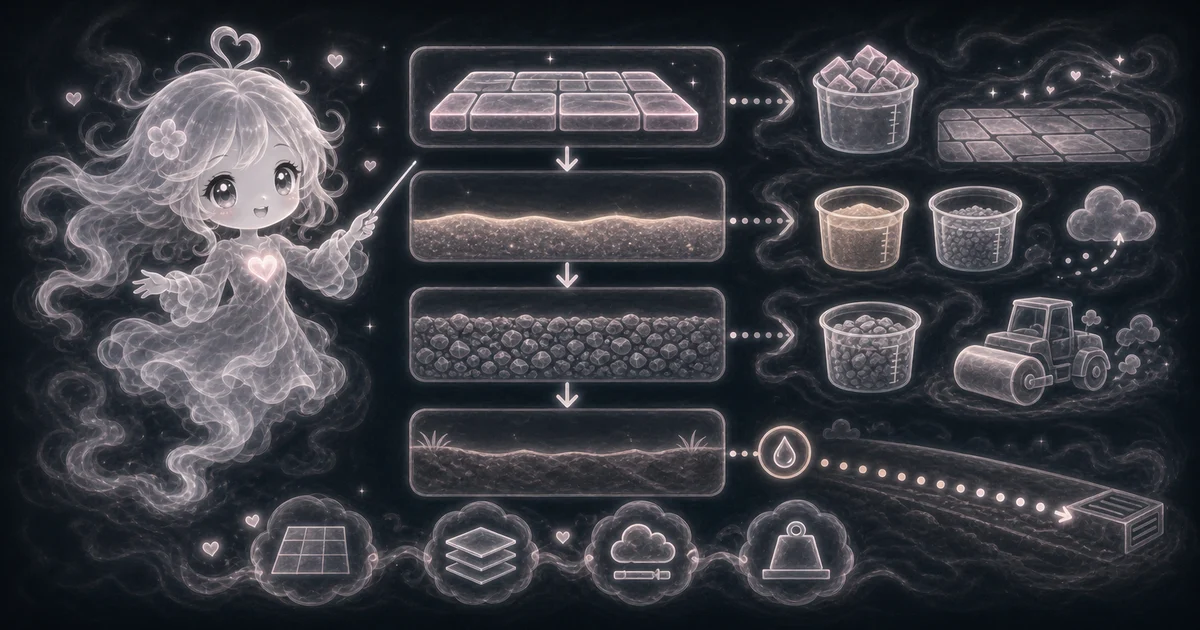
The Paver Base Calculator estimates the material layers below a paver surface. It separates compacted gravel base from bedding sand so you can plan each material.
Match each input label on the calculator to the real measurement, amount, rate, unit, or setting for your job.
The formula in plain language
In plain language: The calculator multiplies paver area by base depth and bedding depth, adds waste, converts cubic feet to cubic yards, and estimates base tons from tons per cubic yard. The examples on the page are there so you can compare your inputs with a worked example before copying the answer.
The example cards on the calculator page show a complete set of inputs and the kind of answer you should expect.
How to read the answer
Read the main result first. Then check the smaller lines for the totals, units, ranges, counts, or formula steps behind it.
- Base cubic yards is the main volume to discuss with suppliers.
- Base tons converts the volume into approximate weight.
- Bedding sand shows the leveling layer volume separately.
Common mistakes to avoid
If the answer looks strange, the most likely cause is a small input mismatch: a mixed unit, copied value, wrong mode, missing label, or result used for the wrong job.
- Do not use loose depth if your design calls for compacted depth.
- Do not ignore drainage, soil, slope, freeze-thaw, and traffic load.
- Do not assume every gravel product has the same tons per cubic yard.
Research and references
These references help check the measurements, units, limits, or safety notes used in this guide.
Worked examples for Paver Base Calculator
2.716 yd3 base, 4.07 tons, 0.679 yd3 bedding sand
1.086 yd3 base, 1.63 tons, 0.272 yd3 bedding sand
8.711 yd3 base, 13.94 tons, 1.452 yd3 bedding sand
FAQ in plain language
When should I use the Paver Base Calculator?
Use it when your task matches one of these common needs: Estimate base gravel for a patio or walkway. Convert base volume into approximate tons. It works best when you already know the measurements, amounts, units, or options the page asks for.
What is the Paver Base Calculator doing with my inputs?
In plain language: The calculator multiplies paver area by base depth and bedding depth, adds waste, converts cubic feet to cubic yards, and estimates base tons from tons per cubic yard. The examples on the page are there so you can compare your inputs with a worked example before copying the answer.
What do the main Paver Base Calculator inputs mean?
Base depth: the compacted gravel layer below the pavers. Bedding depth: the leveling sand layer directly under the pavers. Tons per cubic yard: a rough density for converting gravel volume to weight. Waste percent: extra material for compaction, uneven grade, edge loss, and small measurement differences.
What should I double-check before trusting the answer?
Real paver base design depends on soil, drainage, compaction, freeze-thaw, traffic load, slope, edging, and local installation practice. Also check the unit, scale, mode, and result limit because small input changes can change the answer.
Is paver base depth the loose depth or compacted depth?
Use the compacted depth you want to end with. Loose gravel can settle after compaction, so a real project may need more loose material than the compacted volume suggests.
Why does the calculator separate base and bedding sand?
The gravel base supports the pavers, while the bedding sand helps level them. They are different layers, so it is easier to estimate them separately before ordering.
How should I read the Paver Base Calculator answer?
Read base cubic yards first because that is the main volume to order, then check base tons for weight and delivery planning. Bedding sand is a separate layer, so do not add it to the gravel base total.
Related tools
- Paver CalculatorEstimate paver count from project area, paver dimensions, and waste percentage.
- Gravel CalculatorEstimate gravel cubic yards and tons from length, width, depth, and density.
- Sand CalculatorEstimate sand cubic yards, tons, and bags from rectangular, round, or known-area measurements.
Keep exploring
If this guide is close but not exact, these links keep you near the same kind of problem.
- Home & ProjectsBrowse the full category for related tools that help with the same job.
- All free toolsSearch the complete Access Free Tools library by task, category, or tool name.
- All calculator and utility guidesFind more plain-language examples, formulas, mistakes, and result explanations.
- Free calculator resourcesStart here when you are not sure which calculator page fits.
Privacy and copying results
Recent answers stay visible only while you work in the current browser tab. They are not sent to a server.
Use Copy answer when you want to save the paver area, compacted base depth, base cubic yards, base tons, bedding sand volume, and waste percent before checking supplier sizes, compaction, drainage, and installation rules.