200 ft2 area
- Base tons
- 4.0740740741 tons
- Base cubic feet
- 73.3333333333 ft3
- Bedding sand
- 0.6790123457 yd3
Base depth, compaction, soil, drainage, traffic load, edge restraints, and local practice can change the right base design.
Use this free paver base calculator to estimate compacted gravel base volume, approximate base tons, and bedding sand volume from paver area and layer depths.
Use this for planning. Check measurements, product instructions, and local requirements before buying or building. Read assumptions and limits.
200 ft2 area
Base depth, compaction, soil, drainage, traffic load, edge restraints, and local practice can change the right base design.
Recent paver base estimates will appear here.
Paver base estimates stay local and are planning math, not drainage or soil engineering advice.
Inputs and recent answers stay in this browser tab and are not sent to a server.
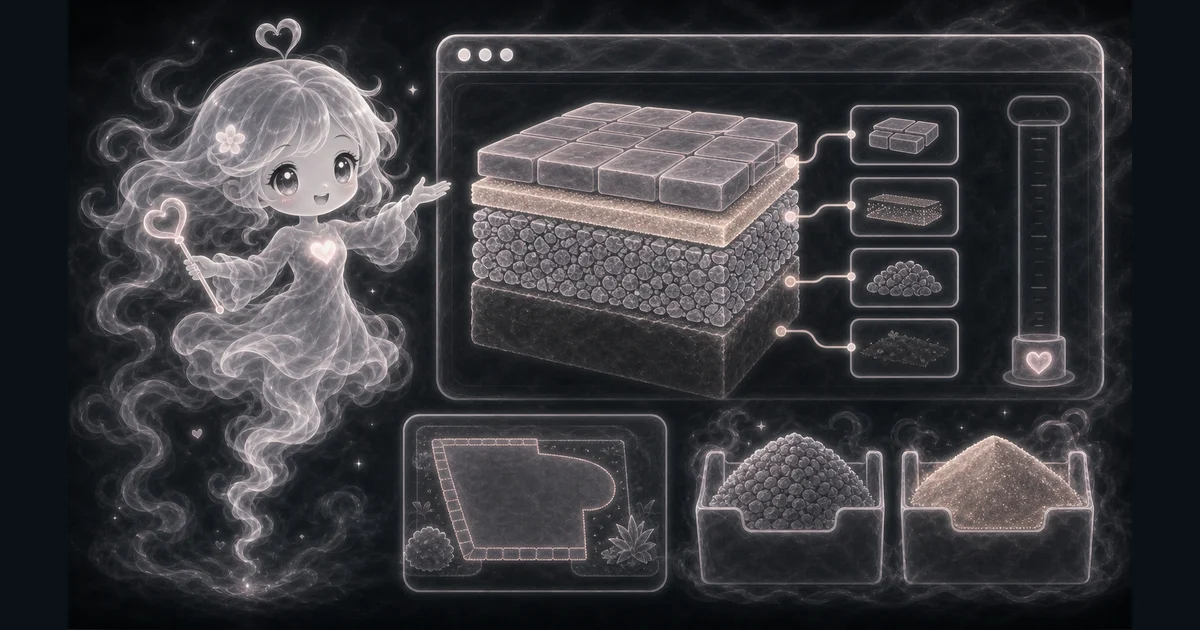
Estimate base gravel for a patio or walkway.
Convert base volume into approximate tons.
Estimate bedding sand volume separately.
Add waste for compaction and uneven ground.
2.716 yd3 base, 4.07 tons, 0.679 yd3 bedding sand
1.086 yd3 base, 1.63 tons, 0.272 yd3 bedding sand
8.711 yd3 base, 13.94 tons, 1.452 yd3 bedding sand
Need a slower walkthrough, a related calculator, or the full library? These links keep you close to the task you started.
Plain-language answers about when to use the tool, what it does with your inputs, what to double-check, and how privacy works.
Use it when your task matches one of these common needs: Estimate base gravel for a patio or walkway. Convert base volume into approximate tons. It works best when you already know the measurements, amounts, units, or options the page asks for.
In plain language: The calculator multiplies paver area by base depth and bedding depth, adds waste, converts cubic feet to cubic yards, and estimates base tons from tons per cubic yard. The examples on the page are there so you can compare your inputs with a worked example before copying the answer.
Base depth: the compacted gravel layer below the pavers. Bedding depth: the leveling sand layer directly under the pavers. Tons per cubic yard: a rough density for converting gravel volume to weight. Waste percent: extra material for compaction, uneven grade, edge loss, and small measurement differences.
Real paver base design depends on soil, drainage, compaction, freeze-thaw, traffic load, slope, edging, and local installation practice. Also check the unit, scale, mode, and result limit because small input changes can change the answer.
Use the compacted depth you want to end with. Loose gravel can settle after compaction, so a real project may need more loose material than the compacted volume suggests.
The gravel base supports the pavers, while the bedding sand helps level them. They are different layers, so it is easier to estimate them separately before ordering.
Read base cubic yards first because that is the main volume to order, then check base tons for weight and delivery planning. Bedding sand is a separate layer, so do not add it to the gravel base total.
Usually yes for ordering. Supplier minimums, truck capacity, compaction, grading cleanup, and small measurement errors can make an exact decimal too tight, so compare the calculator result with the supplier package or delivery sizes.
No. It estimates material quantities only. Soil type, drainage, slope, edge restraints, compaction method, freeze-thaw exposure, and vehicle traffic can change the required base design.
No. The calculator runs in your browser tab. Your recent answers stay only on the page while you use it, and they are not sent to a server.